

 Laura
Laura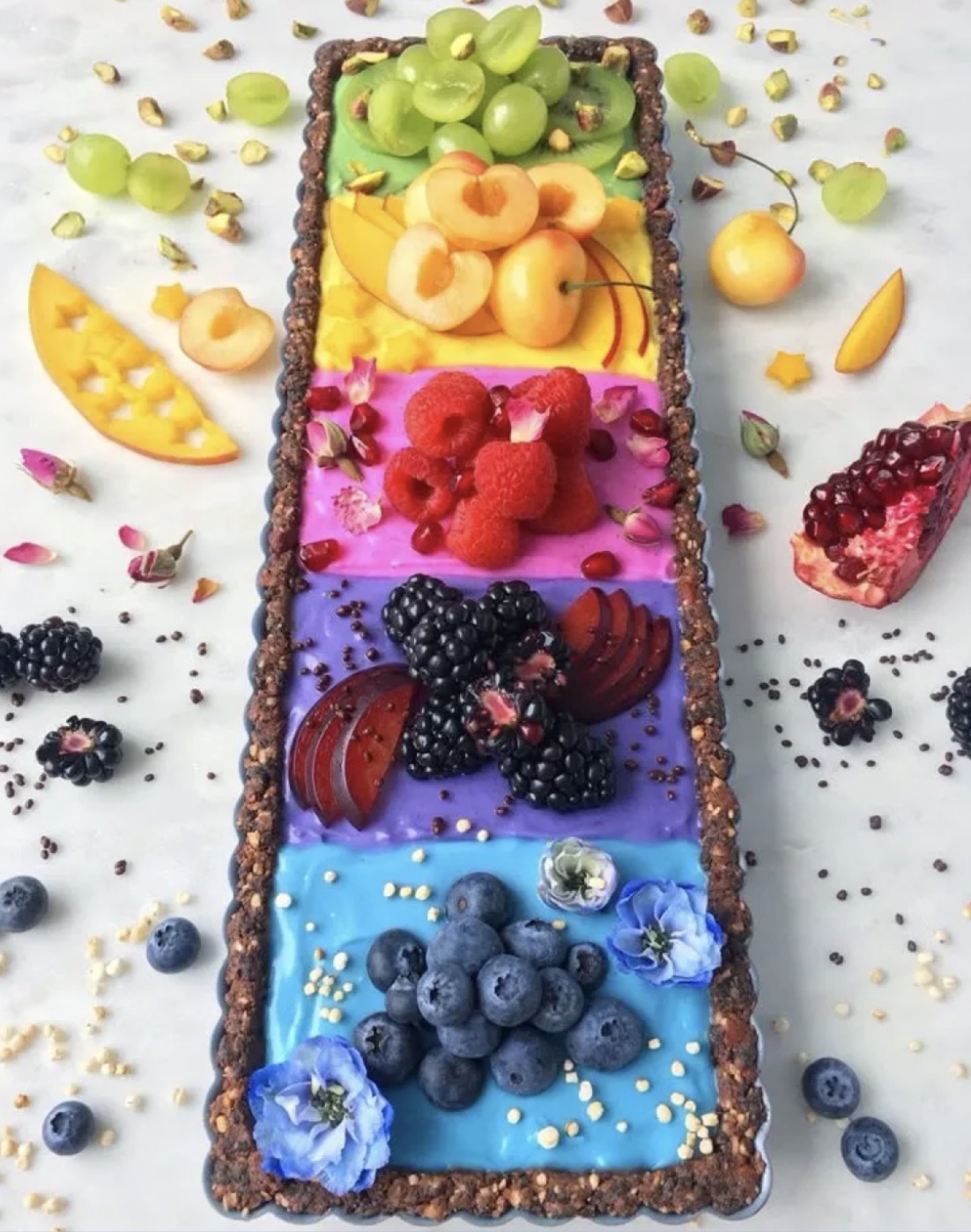
Packaged food brands constantly review ingredient lists because customer behavior has changed quite noticeably recently. Buyers compare labels faster and often avoid products containing unfamiliar chemical-sounding additives during regular shopping visits. Because of that, demand for natural food colorant ingredients increased across beverages, confectionery products, frozen desserts, and bakery categories worldwide. Many manufacturers also test different natural food colors to match current market expectations without heavily altering existing production systems. Product appearance still matters greatly, especially inside crowded retail shelves filled with competing brands.
Different raw materials create very different visual results later
Natural pigments come from vegetables, fruits, seeds, algae, flowers, and several plant-based sources globally. Each factor behaves differently throughout the operating range, depending on the moisture field, acidity stability, and heating temperature. Some herbal food colorants fade quickly in drinks, while others fade slowly in internally cooked or frozen products. Manufacturers who choose herbal dye solutions usually conduct evolved, repeated equilibrium studies before starting commercial distribution. Furthermore, conditions of lighting installation in the warehouse have some degree of influence on each typical final shape of the product, in addition to arising with tape building plans through the initial set.
Powder formats and liquid formats both serve practical purposes
Food processing plants choose material codecs according to the layout of the machines and usually the product production requirements. Liquid paint systems efficiently paint liquid syrups and milk mixtures, requiring easy ingredient integration into processing stages. Powder-based natural food colorant are often better suited to dry spices and bakery pre-mixes without being harsh at some stage in larger manufacturing companies running specialty solar panels suitable for branding or seasonal product releases. Ingredient compatibility still matters heavily before scaling recipes into commercial manufacturing quantities across wider supply chains.
Stability testing remains important before large production starts
Natural ingredients rarely behave exactly the same across every recipe and storage environment afterward. Heat exposure, oxygen exposure, and transport conditions can significantly affect the visual stability of the product during its shelf life. That explains why manufacturers repeatedly test controlled-down herbal food colorants to test strategies before the very last approval steps are commercialized. Some production groups choose certain herbal food pigments because they have suitable color stability at a certain freezing point or a preferred shelf life in storage. Careful testing helps reduce operational adjustments after product launches have already reached retail markets.
Smaller brands increasingly prefer cleaner ingredient positioning today
Independent snack companies and regional beverage manufacturers now compete using ingredient transparency quite aggressively sometimes. Customers often ask questions about additives, especially when shopping online or in specialty restaurants. By using natural food coloring, small manufacturers present products with extra identifiable details and make it a source of public facts. As a startup, we use the shadow structure of vegetable-derived herbs to push natural marketing goals through social advertising and packaging. However, the product manufacturer’s consistency of color depth, system equivalence, and production range before selecting a commercially feasible long-term wing blend.
Conclusion
Food manufacturing trends continue shifting toward recognizable ingredients and visually appealing product presentation across several industries now. foodrgb.com provides ingredient information and practical support for businesses exploring modern coloring solutions suitable for commercial food production requirements. Manufacturers using natural food colors often spend significant time reviewing formulation compatibility, processing behavior, and storage stability before expanding market distribution further. Selecting the right natural food colorant depends heavily on product category, manufacturing setup, and expected shelf conditions later. Review technical specifications carefully, conduct controlled production trials properly, and consult experienced ingredient suppliers before finalizing commercial formulations.


 Suzana Mikolova
 "Identifying Roof Problems Huntsville Roofers Can Help Correct")

