

 Suzana Mikolova
A robust vision and a well-crafted strategic plan are fundamental for any organization aiming for growth and success. However, the true challenge often lies not in creating the strategy, but in bringing it to life. This is where a specialized strategy execution service becomes undeniably critical. Many companies, from startups to large corporations in the US and globally, struggle to bridge the gap between brilliant ideas and measurable outcomes. Without effective execution, even the most innovative strategies remain theoretical aspirations, failing to impact the bottom line or market position. This service provides the structure, expertise, and discipline required to move from planning tables to real-world achievements, ensuring that every effort contributes directly to the organization’s overarching objectives.
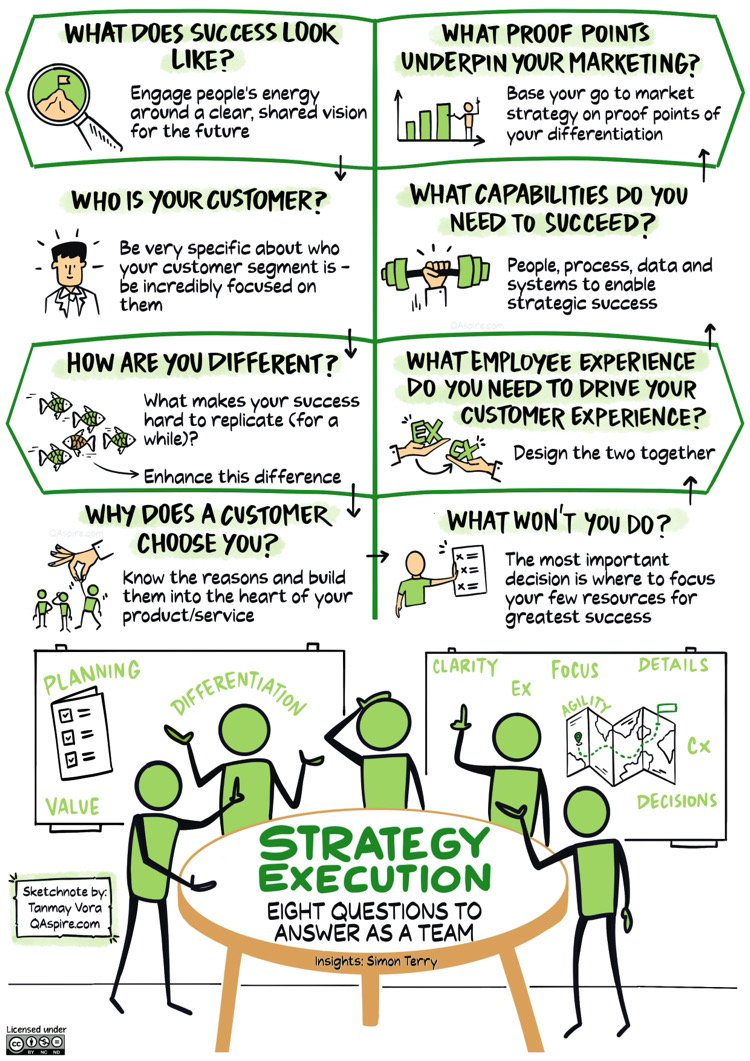
Overview
- Many organizations fail to achieve goals despite having strong strategies due to poor execution.
- A strategy execution service provides specialized expertise to translate strategic plans into actionable steps and tangible results.
- It ensures all departments and individuals are aligned with the strategic direction, preventing siloed efforts.
- This service helps overcome common execution barriers like lack of clarity, insufficient resources, or resistance to change.
- It establishes robust accountability frameworks and key performance indicators to track progress and measure success.
- A strategy execution service fosters a culture of consistent action and continuous improvement within an organization.
- It helps organizations adapt to market shifts while maintaining focus on long-term objectives.
How a strategy execution service Aligns Actions with Objectives
One of the primary reasons a strategy execution service is so critical is its ability to create coherence and alignment across an entire organization. Often, different departments or teams operate in silos, each working on initiatives they believe are important, but not always in concert with the broader strategic direction. This disjointed approach can lead to duplicated efforts, wasted resources, and a diluted impact on key goals. An execution service works to break down these barriers, ensuring that every project, initiative, and individual task is directly linked to a specific strategic objective. It involves communicating the strategy clearly, defining roles and responsibilities, and establishing clear lines of accountability. This alignment ensures that every effort pulls in the same direction, maximizing the collective impact and pushing the organization steadily towards its defined goals. Without this focused coordination, even significant effort can be misdirected, resulting in stagnation rather than progress.
Why a strategy execution service Overcomes Common Obstacles
Even with a clear strategy and aligned teams, organizations frequently encounter obstacles during the execution phase. These can range from insufficient resources, unexpected market changes, technological limitations, or internal resistance to new processes. A professional strategy execution service is equipped to anticipate, identify, and mitigate these challenges effectively. They bring proven methodologies, tools, and best practices from various industries, offering a fresh perspective on complex problems. This external expertise can be invaluable in troubleshooting issues that internal teams might overlook or struggle to resolve due to ingrained perspectives. They can facilitate critical decision-making, reallocate resources efficiently, and implement change management strategies that minimize disruption and foster adoption. By proactively addressing these common pitfalls, the service prevents projects from derailing, keeping momentum strong and the path to goal attainment clear.
The Role of a strategy execution service in Driving Accountability and Performance
Achieving strategic goals requires more than just planning and action; it demands consistent measurement and accountability. A strategy execution service instills a rigorous framework for tracking progress and ensuring that individuals and teams are held responsible for their contributions. This involves setting clear, measurable key performance indicators (KPIs) and regular reporting mechanisms that provide transparent insights into performance. By establishing these systems, the service creates a culture where results are not just desired but expected and continuously monitored. When performance metrics are clear and regularly reviewed, it fosters a sense of ownership and encourages proactive problem-solving. This disciplined approach ensures that deviations from the plan are identified early, allowing for timely adjustments and corrective actions. Without such a robust accountability system, it’s easy for initiatives to lose steam, deadlines to be missed, and overall strategic momentum to wane.
How a strategy execution service Fosters Adaptability and Sustained Momentum
In today’s dynamic business environment, strategies cannot be static. Market conditions, competitor actions, and technological advancements demand agility. A strategy execution service is crucial for building this adaptability into the execution process, ensuring that the organization can respond to change without losing sight of its long-term goals. They help establish flexible execution models that allow for iterative adjustments and continuous learning. This means regularly reviewing the effectiveness of current actions, gathering feedback, and making informed decisions to refine approaches. Furthermore, the service helps maintain sustained momentum. Execution is not a one-time event but an ongoing process that requires consistent energy and focus. By implementing structured reviews, celebrating milestones, and fostering continuous communication, the service helps keep teams engaged and motivated. This sustained effort is vital to prevent initiative fatigue and ensure that the organization continues to advance towards its strategic objectives, even when facing unforeseen challenges or prolonged efforts.


 "Identifying Roof Problems Huntsville Roofers Can Help Correct")

